The U.S. marine industry is facing an evolving workforce landscape as many businesses consider integrating more AI and automation into shipbuilding, port operations, and maintenance. The evolving technology space may lead to an increase in need for workers who combine traditional trade skills with digital and technical competencies, creating new challenges in sourcing, training, and deploying talent.
Marine staffing agencies like NSC Staffing are here to help businesses navigate this changing environment. This article explores three key ways AI and automation are changing the marine staffing landscape. First, workers now need digital and technical literacy to operate alongside automated systems, requiring staffing agencies to prioritize hybrid skill sets. Second, AI-driven deployment and scheduling tools allow agencies to place the right personnel at peak demand times efficiently. Third, upskilling programs integrated with staffing solutions prepare employees for emerging technologies while maintaining operational continuity.
By understanding these trends, maritime employers can better plan labor needs and reduce bottlenecks. A consultation with NSC Staffing provides insight into workforce strategies, helping organizations match skilled talent to the changing demands of modern shipyards and maritime operations.
AI and automation have the potential to reshape marine and maritime workforce needs. Staffing agencies like NSC Staffing now focus on recruiting workers with digital literacy, technical skills, and adaptability. Staffing companies can help employers find qualified talent that has these qualifications, enabling shipyards to maintain efficiency, meet evolving labor needs, and prepare employees for a technology-driven maritime future.
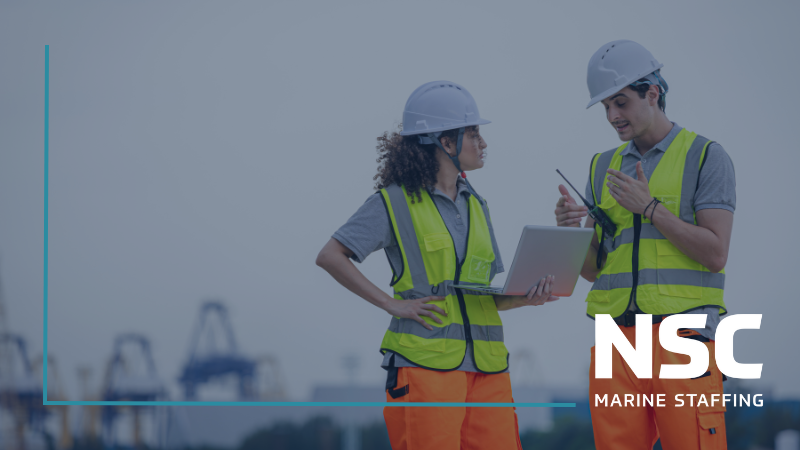
AI and automation are increasingly integrated into shipyards and port operations, meaning workers must combine trade expertise with technical and digital literacy. Welders, electricians, and pipefitters now interact with AI-assisted equipment, robotic tools, and automated diagnostics.
Staffing companies can help businesses focus on identifying candidates who can navigate software interfaces, interpret automated reports, and adjust processes in real time. By prioritizing these hybrid skills, staffing partners ensure that employees are prepared to operate safely and efficiently in environments where technology supports both productivity and precision.
As digital tools increasingly introduced in shipyards and port operations, workers may need to combine traditional trade skills with technical competencies. Employees benefit from understanding sensor data, operating predictive maintenance tools, and working with digital diagnostics alongside automated systems.
Tasks that were once entirely manual may increasingly involve troubleshooting data outputs and collaborating with AI-augmented equipment. Employers may find a need to focus on recruiting and upskilling candidates with these hybrid abilities. By emphasizing technical proficiency and automation awareness, agencies can help shipyards ensure employees are prepared to adapt to emerging technologies and maintain productivity as operational demands evolve.
With advances in technology having the potential to transform the tasks workers perform in marine environments, continuous upskilling becomes increasingly important. Staffing agencies integrate training programs into workforce solutions, providing employees with exposure to robotics, predictive maintenance, and data interpretation tools.
By investing in ongoing skill development or partnering with staffing agencies that do, employers benefit from workers who are not only ready for current roles but also adaptable to new technologies. This approach allows operations to supply a workforce that meets both immediate project demands and longer-term strategic objectives, helping shipyards remain competitive in an evolving industry.
AI and automation are reshaping the skills required in maritime operations, from shipbuilding to port logistics. By leveraging staffing solutions, maritime employers can stay ahead, reduce delays, and build a resilient workforce capable of adapting to technology-driven changes. These efforts ensure that shipyards and ports are equipped to meet both current operational needs and emerging industry challenges, sustaining growth and competitiveness.
Partnering with a staffing agency also allows employers to anticipate future skill requirements and align training initiatives with evolving technologies, keeping their workforce ahead of industry trends. To explore how your organization can prepare for these changes, consider scheduling a consultation with NSC Staffing to review workforce strategies tailored to your operational needs.
Set your course for success in the maritime industry. From shipyards to offshore operations, skilled marine professionals keep global commerce moving. Whether you're advancing your career or searching for experienced tradespeople to strengthen your crew, NSC is your trusted partner on every voyage.
Marine staffing agencies play a key role in connecting shipyards with workers who combine traditional trade expertise with emerging digital and technical skills. They assess workforce needs, identify candidates with experience in robotics, AI-assisted equipment, and automation tools, and provide guidance on bridging skill gaps.
Agencies also help coordinate upskilling programs, ensuring employees are trained on software interfaces, predictive maintenance tools, and data interpretation relevant to their roles. By acting as a strategic partner, staffing agencies enable shipyards to maintain operational efficiency, reduce errors, and implement technology-driven processes confidently. This approach ensures both immediate staffing needs and longer-term workforce readiness are met.
Temporary and direct hire staffing solutions offer maritime employers flexibility and efficiency in managing fluctuating labor demands. Agencies can rapidly deploy skilled workers to cover peak periods, new contracts, or specialized tasks without straining permanent teams. Workers are matched based on trade experience, digital literacy, and familiarity with automated processes, ensuring immediate productivity.
Staffing partners also provide workforce insights, helping employers plan for future projects, anticipate skill gaps, and integrate technology-focused training. This approach reduces downtime, supports smooth operations, and ensures that employees are prepared to work in AI-assisted, automation-heavy environments. It ultimately builds a more resilient, adaptable, and skilled workforce for long-term success.
Staffing agencies can act as strategic partners in helping maritime employers adapt to AI and automation trends. They assess current workforce capabilities, identify emerging skill gaps, and recommend targeted upskilling programs to prepare employees for technology-driven roles.
Agencies may also provide guidance on recruitment strategies for hybrid trade and digital positions, ensuring workers are capable of operating AI-assisted equipment, robotics, and data-driven systems. By aligning staffing solutions with operational goals, agencies help employers maintain productivity, reduce downtime, and implement new technologies more efficiently. This proactive approach allows shipyards and ports to meet immediate project demands while preparing their workforce for evolving industry challenges.
Discover the perfect candidates for your organization with our dedicated staffing support team. We're here to connect you with skilled job seekers, tailored to your unique needs. Reach out today, and let us help you build a winning team!
Job seekers, we've got your back too! Explore our extensive job openings and take the next step in your career by going to our jobs page to search and apply today.
MARINE RECRUITMENT | MARINE CONSTRUCTION STAFFING | AI AND AUTOMATION MAY RESHAPE MARINE STAFFING