Automation on the production floor is no longer limited to a few isolated cells or high-end facilities. Conveyors, automated storage and retrieval systems, robotic palletizers, cobots, and guided vehicles now run through many warehousing, fulfillment, and manufacturing operations. For executives and operations leaders, the question is not whether automation will play a role, but how human roles and staffing should adapt. Some worry that automation will simply replace people. In practice, most automated environments still depend heavily on human associates to feed, monitor, recover, maintain, and improve the systems that move product. When staffing does not keep pace with how automation is deployed, bottlenecks shift rather than disappear.
Automation can move, sort, and handle product with speed and consistency, but it still operates in a real-world environment with variability, exceptions, and change. Orders change, product mixes evolve, packaging formats are updated, and equipment requires attention. In most automated operations, people are responsible for:
This means that staffing strategy remains central to performance, even as automation increases. The question shifts from "How many people do we need?" to "Which roles and skills do we need around these systems to keep output, quality, and uptime where they need to be?"
Automation changes the mix of tasks that people perform, but it does not remove the need for human work. Common shifts include:
These changes call for workers who are comfortable interacting with equipment, following digital instructions, and adapting to process updates over time.
As automation expands, certain categories of roles remain critical on the production floor. Typical examples include:
Staffing these roles well is what allows automation to deliver on its promise instead of becoming a new source of downtime.
When organizations implement automation without adjusting their staffing approach, a few patterns often emerge:
These missteps can make automation appear less effective than it truly is, when the underlying issue is how human work was planned and staffed around it.
Most facilities do not jump from fully manual to fully automated. Instead, they operate in mixed environments where certain lines or zones are automated and others remain manual. Staffing strategies in these settings benefit from:
This approach helps leaders avoid creating two disconnected workforces and instead build a team that can support the facility's mix of technologies as it evolves.
When staffing for modern production floors, hiring managers and staffing partners can improve outcomes by looking for associates who bring:
These traits help associates succeed in both manual and automated roles and reduce the friction that can accompany technology changes.
NSC is a specialized light industrial and manufacturing staffing agency providing trained, dependable, and production-ready talent across North America. NSC delivers screened, safety-certified personnel to maintain operational continuity, reduce downtime, and protect output across all phases of production, including assembly, fabrication, packaging, maintenance, and quality control.
In automated and semi-automated environments, NSC helps organizations by:
By combining national reach with discipline-specific expertise, NSC helps employers operate with a labor model that supports automation rather than conflicts with it.
Automation changes how work is done, but it does not remove the need for people on the production floor. In many operations, the most successful outcomes come from treating automation and human roles as complementary, not competing. Machines handle repetitive, heavy, or precision tasks at scale. People handle exceptions, oversight, improvement, and the many details that keep product flowing.
For leaders planning or expanding automation, bringing staffing into the conversation early is critical. It ensures that the right roles, skills, and people are in place when new systems go live, and that the workforce feels prepared for the changes ahead.
If your facilities are adding automation and you are seeing new bottlenecks, uncertainty around roles, or challenges in finding the right associates to support modern equipment, this may be a good time to revisit your staffing approach. NSC partners with light industrial and manufacturing employers to build workforces that can thrive alongside automation and keep production floors performing at their best.
To explore how NSC can help you staff for both manual and automated operations, connect with our team and start a conversation about your production environment, technology roadmap, and workforce needs.
Fuel productivity and precision in fast-moving environments. From warehousing and logistics to assembly and packaging, light industrial professionals keep supply chains strong. Whether you're pursuing steady, hands-on work or hiring dependable teams, NSC powers the people who keep industry moving.
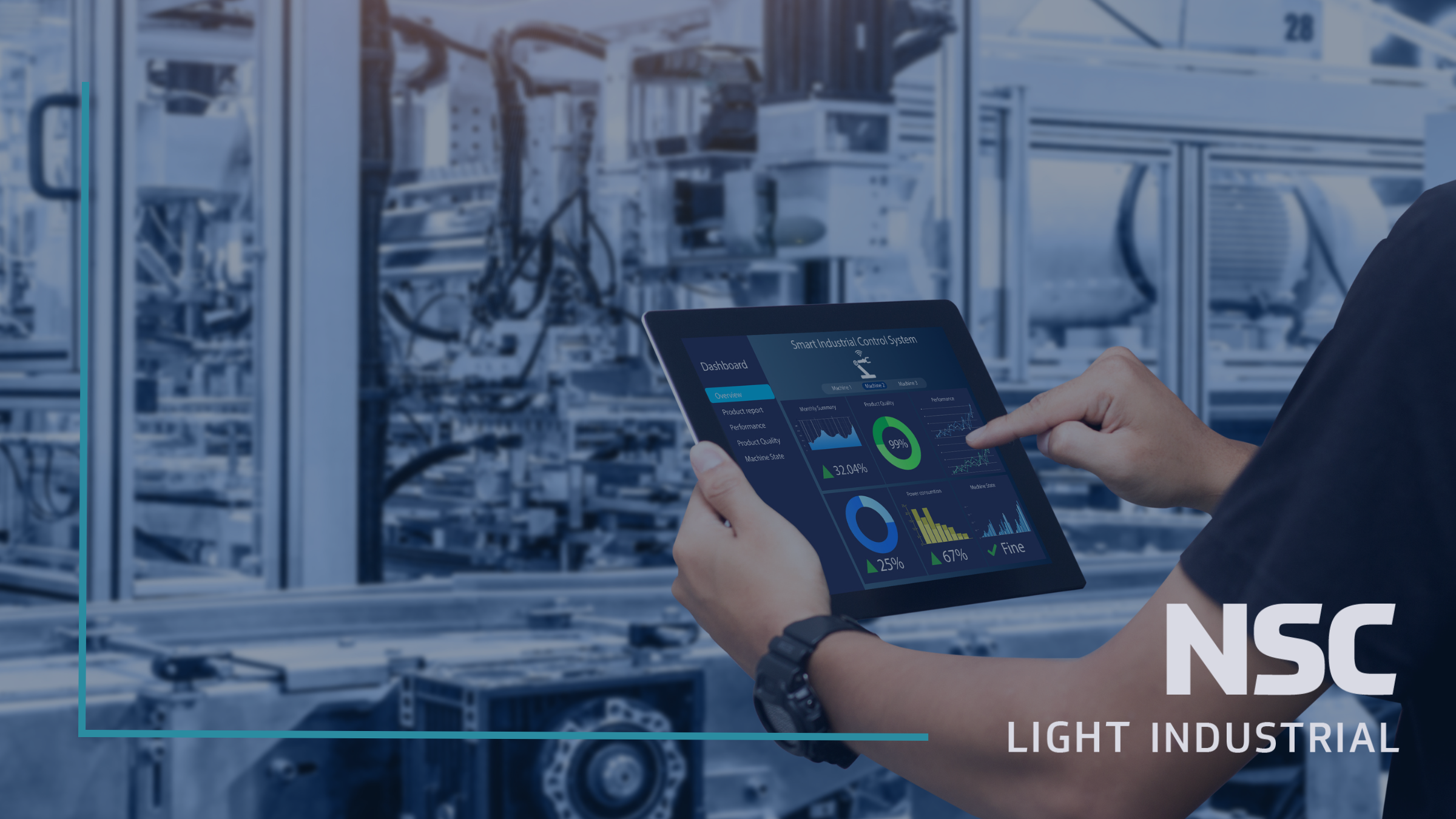
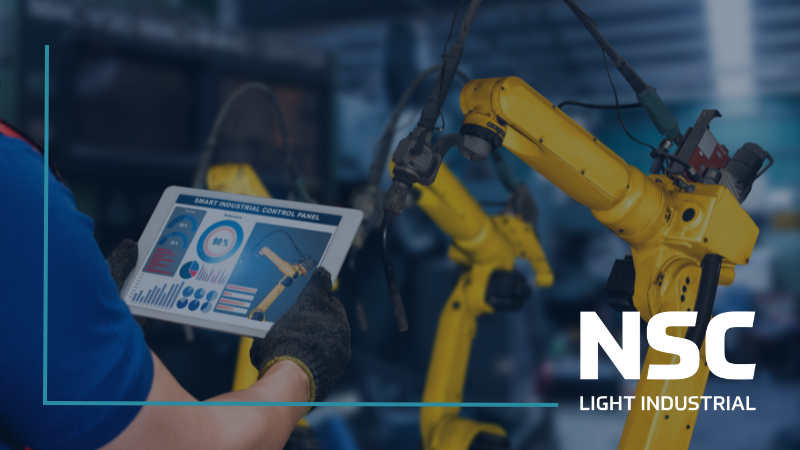
Automation is shifting what people do, not eliminating the need for them. On modern production floors, associates increasingly feed and stage product for automated systems, monitor dashboards and alarms, clear jams, handle exceptions that machines are not designed for, and perform cleaning and basic checks that keep equipment within spec. Work moves from heavy, repetitive handling to a mix of oversight, problem-solving, and support around automated lines. Facilities that plan for these roles get more value from automation than those that assume headcount can simply be reduced without changing how human work is organized.
Several categories of roles remain critical. Equipment feeders and tenders keep automated lines supplied with the right materials or product. System monitors and operators watch for alerts and intervene when performance drifts or stops. Quality and inspection personnel verify that automated processes are producing within tolerance and catch issues that sensors may miss. Maintenance and facilities support handle routine cleaning and basic checks within defined boundaries, while multi-skilled associates move between manual and automated zones as demand shifts. Staffing these roles well is what allows automation to run consistently instead of becoming a new source of downtime.
NSC is a specialized light industrial and manufacturing staffing agency that provides trained, dependable, and production-ready talent across North America. In automated and semi-automated environments, NSC screens candidates for dependability, safety adherence, pace tolerance, and readiness to work in performance-driven facilities with modern equipment, then matches associates to roles such as feeding, monitoring, inspection, and support. NSC also handles recruiting, documentation, safety training, payroll, and compliance, and builds scalable workforce programs that support both manual lines and automated zones across single or multiple sites. This helps employers develop a workforce that complements automation and keeps production floors running reliably.
Discover the perfect candidates for your organization with our dedicated staffing support team. We're here to connect you with skilled job seekers, tailored to your unique needs. Reach out today, and let us help you build a winning team!
Job seekers, we've got your back too! Explore our extensive job openings and take the next step in your career by going to our jobs page to search and apply today.
STAFFING FOR LIGHT INDUSTRIAL | LIGHT INDUSTRIAL STAFFING | LIGHT INDUSTRIAL STAFFING AGENCY
AUTOMATION AND HUMAN ROLES: HOW STAFFING ADAPTS ON THE MODERN PRODUCTION FLOOR