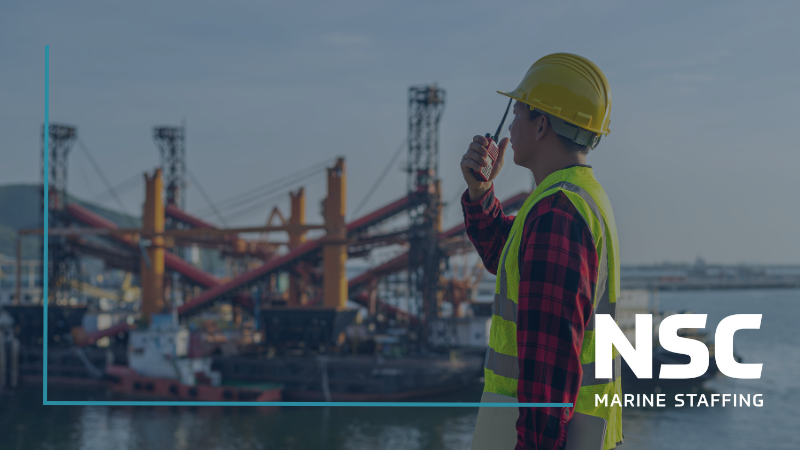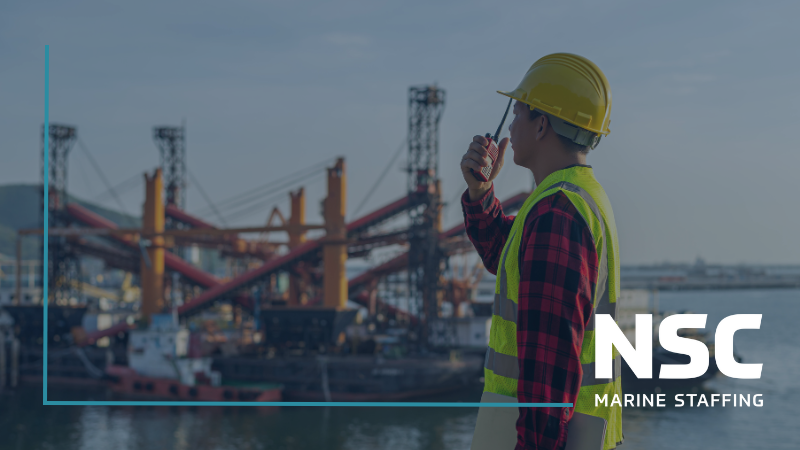
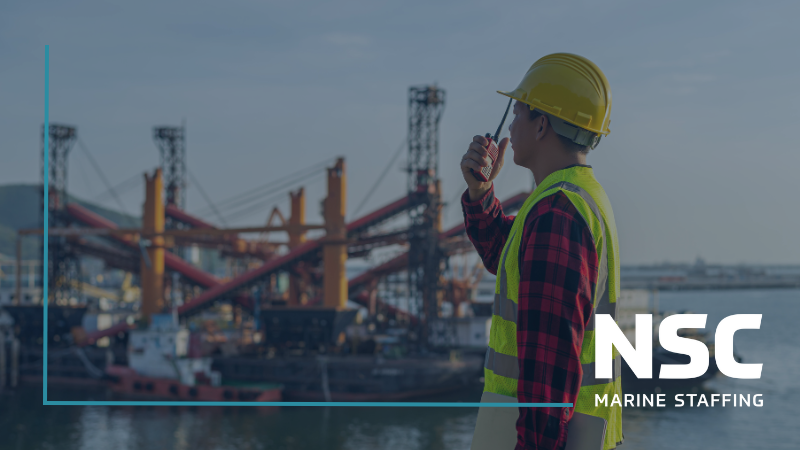
Seasonal demand is a constant across the marine sector. Shipyards ramp up for dry-dock periods, repair campaigns, and refits. Offshore operators prepare for seasonal weather windows, inspections, and planned campaigns. Ports and terminals experience predictable surges in vessel calls and cargo volumes. In every case, leaders must scale marine labor up and down without compromising safety, compliance, or schedule performance.
The challenge is not simply finding "more people" for a season. It is building shipyard-ready and offshore-ready crews who can operate in high-scrutiny environments, deliver to standard, and then demobilize without creating gaps in core teams. This article shares practical best practices for staffing seasonal marine projects, covering early workforce planning, clear role definition, and collaboration with a specialized marine staffing provider such as NSC that understands the pace, complexity, and risk profile of seasonal work.
Seasonal marine projects compress a lot of complexity into short, schedule-bound windows. Dry-dock periods, outage work, refits, and offshore campaigns all share similar characteristics:
In this context, seasonal staffing cannot rely solely on last-minute local hiring or generic labor. Employers need shipyard-ready and offshore-ready personnel who can integrate quickly, follow procedures, and support schedule integrity from day one.
Seasonal staffing problems often begin months before a yard period or offshore window opens. Without a defined workforce plan, seasonal projects default to reactive hiring and overreliance on core crews.
Marine employers can strengthen their approach by:
A structured plan gives employers and staffing partners a solid foundation to source and assemble the right seasonal workforce without last-minute compromises.
Not every marine tradesperson is prepared for every environment. Seasonal projects benefit when employers clearly define what "ready" means for each setting.
For shipyards and near-shore work, yard-ready seasonal roles often include:
For offshore and vessel-based seasonal campaigns, offshore-ready roles often require:
When these requirements are documented up front, employers can better target recruitment and screening for seasonal assignments.
Seasonal projects often tempt leaders to push core crews through extended overtime and back-to-back campaigns. While this may bridge short gaps, it raises fatigue-related safety risk and increases long term turnover.
Better practice is to:
This approach allows employers to meet seasonal workloads without burning out core teams who will carry knowledge into future projects.
Seasonal projects frequently bring a high number of new faces into shipyards and offshore assets in a short period. Without a streamlined onboarding process, valuable project time is lost and safety gaps can emerge.
Effective seasonal onboarding includes:
Standardized onboarding helps seasonal workers become productive faster and reduces the supervisory burden on already busy core staff.
Seasonal marine work is heavily influenced by weather and operational windows. Staffing plans that assume perfect conditions create risk when reality diverges.
Employers can build resilience by:
Thoughtful contingency planning prevents small disruptions from cascading into major schedule deviations during tight seasonal windows.
Given the pace and scrutiny of seasonal marine projects, many employers turn to specialized marine staffing partners to support their workforce plans. General labor providers often struggle with the safety, certification, and clearance requirements inherent in yards and offshore assets.
A strong marine staffing partner should:
Partners who operate at this level become an extension of your seasonal workforce strategy, not just a source of additional names.
NSC is a specialized marine staffing agency providing cleared, certified, and shipyard-ready personnel across the United States for more than 25 years. NSC delivers fully screened marine labor to support shipbuilding, repair, conversion, dry-dock, offshore, and port operations at scale, with workforce programs built to maintain schedule integrity, meet performance standards, and reduce labor-driven risk in demanding maritime environments.
For employers managing seasonal marine projects, NSC offers:
Seasonal marine projects will always carry pressure, but staffing does not have to be a recurring weak point. NSC helps marine employers build seasonal workforce models that are compliant, schedule-protective, and ready for the demands of shipyards, offshore assets, and port operations.
To discuss how NSC can support your next seasonal yard period or offshore campaign with shipyard-ready and offshore-ready crews, connect with our marine staffing team and start planning before the next window opens.
Set your course for success in the maritime industry. From shipyards to offshore operations, skilled marine professionals keep global commerce moving. Whether you're advancing your career or searching for experienced tradespeople to strengthen your crew, NSC is your trusted partner on every voyage.
Dry-dock and major repair windows compress a large amount of work into a short, fixed period driven by class, regulatory, and commercial requirements. Steel, piping, mechanical, electrical, coatings, and tank work often compete for the same people and the same spaces. If labor planning is left until a vessel is already on the blocks, shipyards and operators can find themselves short on key trades, relying on overtime, and pushing non-critical scopes into future dockings. Proactive labor planning helps ensure the right mix and volume of trades is available when the window opens, which supports schedule integrity, safety, and cost control.
While every docking is different, most require a core set of marine trades and support roles. Priority positions typically include welders and shipfitters for hull and structural work, pipefitters and mechanical personnel for systems and machinery, marine electricians for power and controls, and blasters and painters for hull, tank, and topside coatings. Support roles such as firewatch, tank watch, riggers, and general yard labor are also essential, because they allow skilled trades to work safely and efficiently. Labor planning should estimate peak headcount needs for each of these categories across all vessels expected in the yard.
NSC is a specialized marine staffing agency that provides cleared, certified, and shipyard-ready personnel across the U.S. NSC evaluates candidates for trade proficiency, verified shipyard experience, safety compliance, and readiness for regulated yard environments, then supplies welders, shipfitters, pipefitters, fabricators, electricians, blasters, painters, firewatch, tank watch, and other support roles aligned to dry-dock schedules. NSC also assumes responsibility for screening, credential checks, documentation, payroll, and compliance management, so internal teams can focus on planning and executing repair scopes while having access to qualified labor when docking windows open.
Discover the perfect candidates for your organization with our dedicated staffing support team. We're here to connect you with skilled job seekers, tailored to your unique needs. Reach out today, and let us help you build a winning team!
Job seekers, we've got your back too! Explore our extensive job openings and take the next step in your career by going to our jobs page to search and apply today.
STAFFING FOR MARINE CONSTRUCTION | MARINE CONSTRUCTION STAFFING | MARINE CONSTRUCTION JOBS
BEST PRACTICES FOR STAFFING SEASONAL MARINE PROJECTS